Fermented Foods vs Probiotic Supplements: What’s Best?
When it comes to supporting your gut microbiome, the debate over fermented foods vs probiotic supplements is more relevant than ever. These two probiotic powerhouses each offer distinct advantages for your digestion, immunity, and overall health. But which delivers the best results—fermented foods or supplements? Whether you’re team sauerkraut or team capsule, understanding the pros and cons of each is key to nurturing your beneficial bacteria.
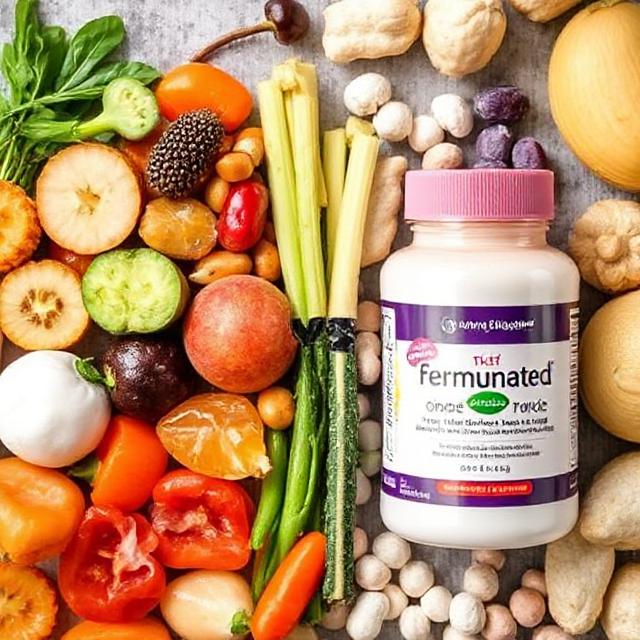
Fermented Foods vs Probiotic Supplements: A Gut Health Showdown
Fermented foods have been enhancing gut health for thousands of years. Unlike isolated supplements, they offer probiotics along with fiber, enzymes, vitamins, and bioactive compounds—all of which work in harmony to nourish your microbiome.
Top Fermented Foods for Gut Health and Microbiome Support
Kefir: A Probiotic-Rich Fermented Milk for Digestion
A probiotic-rich fermented milk drink containing up to 61 strains of beneficial bacteria and yeast. Research in Frontiers in Microbiology shows kefir may improve lactose digestion and reduce inflammation.
Sauerkraut: Natural Probiotics with Immune Benefits
Packed with Lactobacillus plantarum, known to support digestion and immune function. Opt for unpasteurized, raw versions to preserve the live cultures.
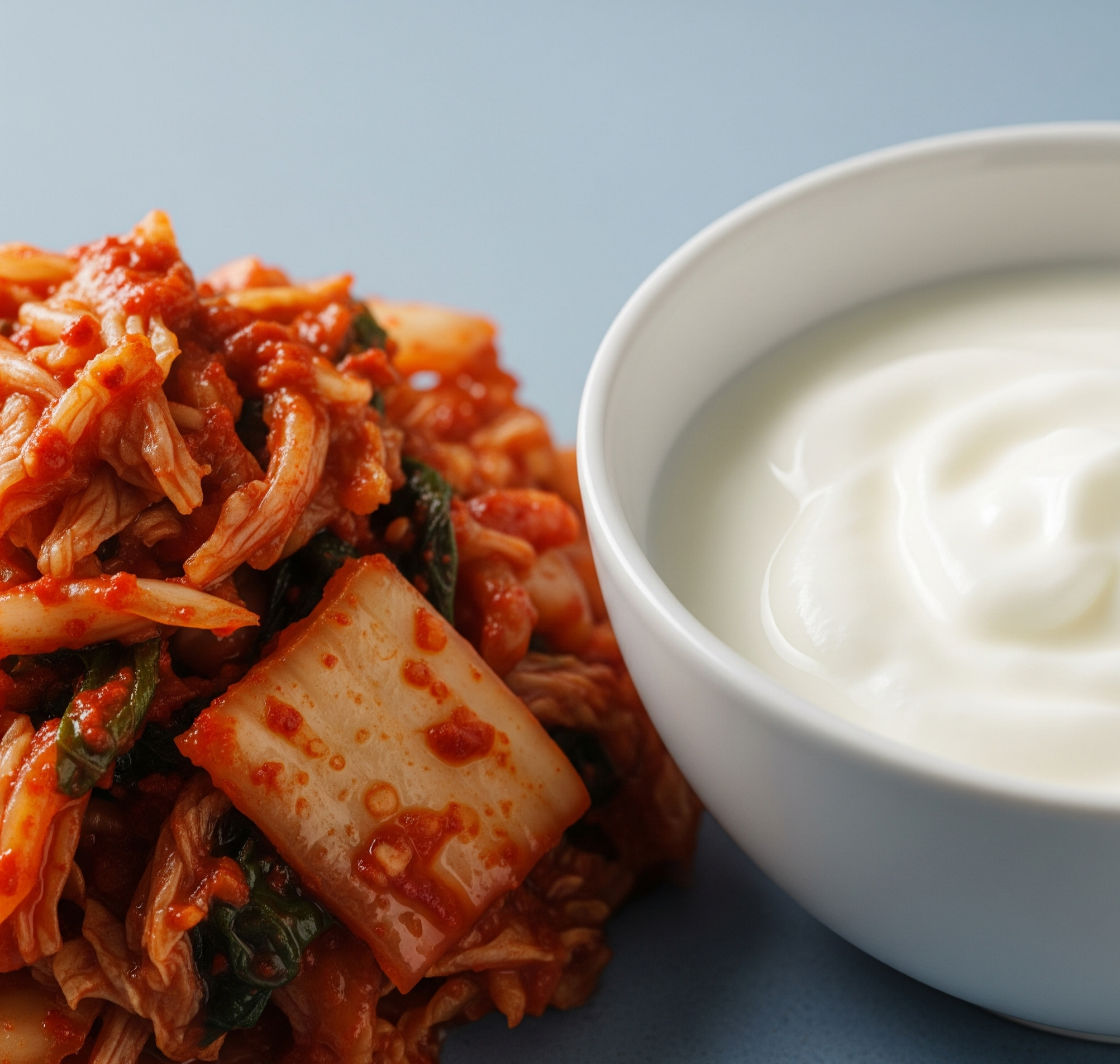
Kimchi: Fermented Veggies That Boost Gut and Heart Health
Combines probiotics with antioxidants from garlic, ginger, and chili. Regular consumption may aid weight management and heart health, according to recent studies.
Miso: Fermented Soy for Gut, Bone, and Hormonal Health
This fermented soybean paste is a source of probiotics, isoflavones, and amino acids, linked to better bone health and reduced cancer risk.
Greek Yogurt with Live Cultures: A Classic Probiotic Source
Delivers Lactobacillus acidophilus and Bifidobacterium alongside protein and calcium. Always check the label for “live & active cultures.”
Want more on food-based probiotics? (Explore: Top Fermented Foods to Try)
When Probiotic Supplements Are Better Than Fermented Foods
While fermented foods offer holistic nourishment, supplements provide standardized doses of specific probiotic strains, making them ideal for:
Probiotic Benefits After Antibiotics
Restore microbiome balance with high-potency, multi-strain probiotics. (Read: How to Rebuild Gut Health Post-Antibiotics)
Best Probiotic Supplements for IBS and Digestive Issues
Strains like Lactobacillus rhamnosus GG and Saccharomyces boulardii are clinically proven for IBS, diarrhea, and more. (Explore: Best Probiotics for Digestive Disorders)
Shelf-Stable Supplements for Gut Health While Traveling
Shelf-stable capsules help maintain gut health on the go. (Check out: Travel Tips for Gut Health)
Probiotics for Vegans and Those with Dietary Restrictions
Vegans or those with lactose intolerance may find it difficult to get enough probiotics from food alone. (Learn: Plant-Based Probiotic Sources)
For tips on integrating both approaches, (read: Fermented Foods and Supplements Combo Plan)
Fermented Foods vs Probiotic Supplements: What Works Best?
When comparing fermented foods vs probiotic supplements, it’s important to understand that both serve different roles. Fermented foods provide a wide variety of natural probiotics in a food matrix, while supplements offer concentrated doses of specific strains, often backed by clinical studies.
Food-Based Probiotics vs Clinically Proven Strains
A 2019 study in Cell reignited the fermented foods vs supplements debate. Participants who consumed fermented foods experienced greater increases in microbiome diversity and reductions in inflammation than those taking probiotic supplements.
What Studies Say About Microbiome Diversity and Inflammation
Targeted probiotic strains in supplements still excel in clinical treatment of conditions like:
- Antibiotic-associated diarrhea
- Irritable bowel syndrome (IBS)
- Gut-brain axis-related issues like anxiety and depression
The International Scientific Association for Probiotics and Prebiotics (ISAPP) provides strain-specific guidelines based on strong clinical evidence.
Looking to personalize your approach? (Read: How to Choose the Right Probiotics for You)
How to Choose Quality Probiotics: Foods and Supplements
Choosing High-Quality Fermented Foods for Gut Support
In Fermented Foods:
- “Live & active cultures” clearly listed
- Raw, unpasteurized, minimally processed
- Organic and additive-free when possible
- Rotate your choices for strain diversity
What to Look for in a Probiotic Supplement
In Supplements:
- At least 1 billion CFUs (colony-forming units)
- Multi-strain formulations for broader coverage
- Third-party testing for quality assurance
- Enteric-coated capsules to protect bacteria through digestion
Best Strategy for Gut Health: Combine Fermented Foods and Supplements
Rather than picking one, the best gut health strategy is a hybrid:
Your Gut Health Action Plan:
Start your morning with kefir or yogurt
Add sauerkraut or kimchi as a side to meals
Take probiotic supplements during illness, travel, or stress
Rotate food and supplement strains regularly
Track how your body responds and adjust accordingly
For guidance, (Explore: How to Build a Gut-Friendly Routine)
Boosting Gut Health Beyond Probiotics: Prebiotics and Lifestyle
To help your probiotics thrive, include prebiotic-rich foods like:
- Garlic, onions, leeks
- Asparagus, artichokes
- Bananas, oats, flaxseeds
Also, support your gut with lifestyle habits:
- Prioritize sleep and stress management
- Stay physically active
- Limit ultra-processed foods
For a personalized roadmap, consider microbiome testing to tailor your probiotic intake based on your unique gut profile.
(Read: Complete Guide to Microbiome Testing)
(Explore: Personalized Microbiome Nutrition: Your Guide to Better Gut Health)
The Bottom Line
Ultimately, the fermented foods vs probiotic supplements discussion isn’t about choosing one over the other. It’s about understanding when to use each. Fermented foods offer daily nourishment for the gut, while supplements serve as targeted tools for specific needs.
Gut health isn’t one-size-fits-all. A personalized, flexible approach—rooted in real food, supported by science—is your best bet.
Further Reading & Resources
- Complete Guide to Microbiome Testing
- Top Anti-Inflammatory Foods for Gut Health
- Understanding the Gut-Brain Connection
- Fermented Foods and Supplements Combo Plan
- Top Fermented Foods to Try
- How to Build a Gut-Friendly Routine
- How to Choose the Right Probiotics for You
- Personalized Microbiome Nutrition: Your Guide to Better Gut Health
Pro Tip: Always consult a healthcare provider before starting new supplements. Find certified professionals via the Academy of Nutrition and Dietetics.
References
- Hill, C., et al. (2014). ISAPP Consensus: Probiotic Guidelines. Nature Reviews Gastroenterology & Hepatology.
- Wastyk, H.C., et al. (2021). Gut-microbiota-targeted diets modulate human immune status. Cell.
- Marco, M.L., et al. (2017). Health benefits of fermented foods. Current Opinion in Biotechnology.