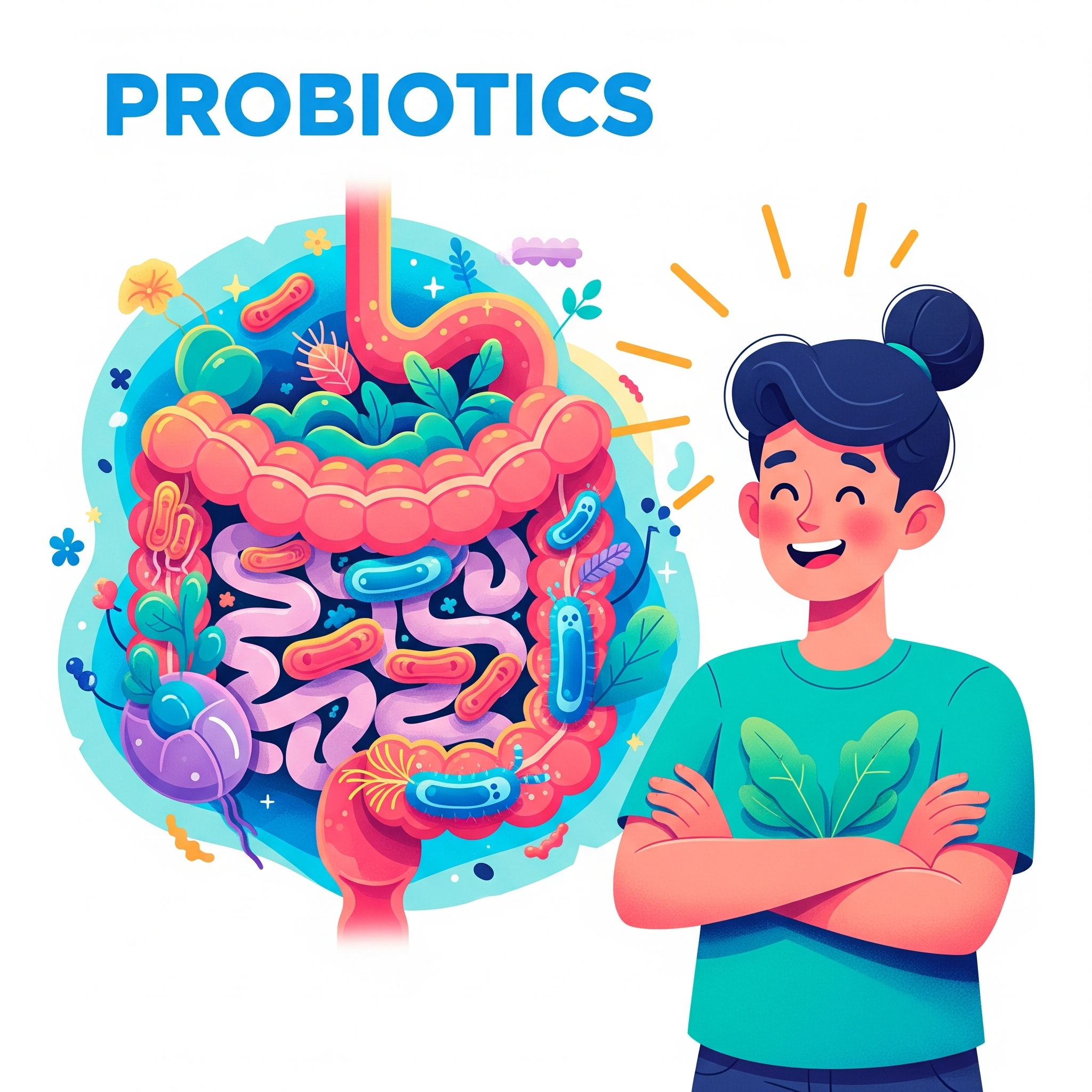
How to Choose the Right Probiotics for You
Knowing how to choose the right probiotics is essential for optimizing digestion, strengthening immunity, and improving overall health. Your gut microbiome influences not only your digestive system but also your mood, skin, and resistance to illness. With so many probiotic products available, finding the right one can feel overwhelming. This guide breaks it down into practical steps—based on your needs, lifestyle, and scientific evidence. Understanding how to choose the right probiotics can transform your gut health journey.
What Are Probiotics, and Why Do They Matter for Gut Health?
Probiotics are live microorganisms that, when consumed in adequate amounts, provide health benefits by supporting or restoring gut flora. According to the International Scientific Association for Probiotics and Prebiotics (ISAPP), the benefits of probiotics are strain-specific—so not all probiotics are created equal.
Step 1: Identify Your Gut Health and Wellness Goals
Choose a probiotic strain based on the condition or wellness goal you want to target. Here are some clinically-supported options:
- Digestive issues (IBS, bloating): Lactobacillus plantarum, Bifidobacterium infantis
- Antibiotic recovery: Saccharomyces boulardii, Lactobacillus rhamnosus GG
- Immune support: Lactobacillus casei, Bifidobacterium lactis
- Mental wellness (gut-brain axis): Lactobacillus helveticus, Bifidobacterium longum
(Source: Clinical Guide to Probiotic Products Available in the USA, 2023 Edition)
Step 2: Read Probiotic Labels to Choose the Right Supplement
When shopping for probiotic supplements, always check for the following:
- Strain-specific labeling (e.g., Lactobacillus rhamnosus GG, not just “Lactobacillus”)
- Colony Forming Units (CFUs): Look for at least 1–10 billion CFUs for general wellness
- Expiration date: Viability declines over time, so fresher is better
- Storage instructions: Some need refrigeration, others are shelf-stable
- Third-party testing: Ensure product integrity and potency
Learning how to choose the right probiotics also means being a smart label reader.
Step 3: Choose the Best Probiotic Form for Your Routine
Probiotics come in many forms:
- Capsules/Tablets: Convenient and often enteric-coated for better survival in the gut
- Powders/Sachets: Ideal for kids or those who dislike pills
- Fermented Foods: Yogurt, kefir, kimchi, and sauerkraut offer natural, food-based probiotics plus fiber and nutrients
For best results, choose a format that fits your routine.
Step 4: Align Probiotic Choice with Your Diet and Lifestyle
- Vegan or dairy-free: Look for non-dairy, plant-based probiotics
- If you’re On the go, Choose shelf-stable, individually packaged options
- Sensitive gut: Start with lower CFUs and fewer strains, then gradually build up
If you want to know how to choose the right probiotics for your lifestyle, these criteria are a great place to start.
Step 5: Monitor Digestive and Gut Health Results
Track how you feel over a few weeks:
- Improved digestion?
- Fewer infections?
- Better mood or energy? If not, consider switching strains or increasing CFU count. Keep in mind, results may take 2–4 weeks.
Step 6: Consult a Healthcare Provider Before Starting Probiotic Supplements
Especially if you have a medical condition, are immunocompromised, or are pregnant—seek professional guidance to choose the right probiotic formulation for your needs.
Final Thoughts on How to Choose the Right Probiotics
Choosing the right probiotic isn’t about finding a “magic pill.” It’s about aligning the product with your body’s needs, supported by science and tailored through trial and error. Understanding how to choose the right probiotics can empower you to make informed, gut-friendly decisions.
Helpful Resources for Choosing Probiotics
- ISAPP: Probiotic Guidelines and Science
- Clinical Guide to Probiotic Products USA
- National Institutes of Health (NIH) – Probiotics Fact Sheet
Pro Tip: Probiotics work best when combined with a fibre-rich diet. Feed your good bacteria with prebiotics from onions, garlic, oats, and bananas.
Check out the other topics: