Intermittent Fasting for Weight Loss and Metabolic Health
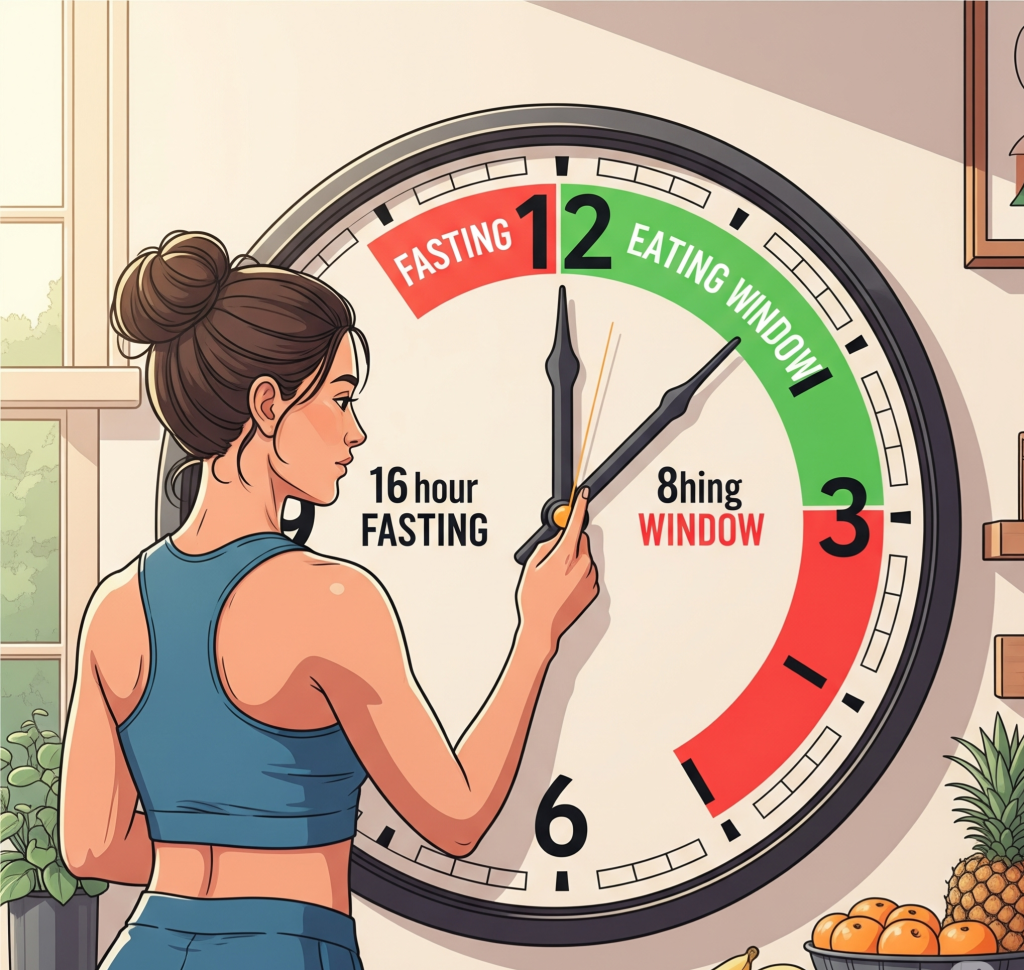
Fasting Window
IIntermittent fasting for weight loss and metabolic health is gaining global attention. This is for a good reason. Unlike restrictive diets, intermittent fasting focuses on when you eat rather than what you eat. This approach helps your body burn fat, improve insulin sensitivity, and boost metabolic health naturally. If you want to transform your health sustainably, understanding intermittent fasting for weight loss and metabolic health can help you take your first step confidently.
Why Intermittent Fasting Works
During fasting, your body moves from using glucose to burning stored fat. In the first four hours, it uses glucose for energy. Between hours four and eight, liver glycogen stores begin to deplete. After eight to twelve hours, your body shifts to ketosis and burns stored fat. Beyond twelve hours, fat burning increases, and growth hormone levels rise, supporting fat loss and muscle preservation. This natural shift is why intermittent fasting for weight loss and metabolic health is so effective.
Backed by Research
A 2014 review in Translational Research analyzed 40 studies. It showed that intermittent fasting can help people lose 3-8% of body weight in 3-24 weeks. A 2019 study in Cell Metabolism found participants lost 7.6 pounds over 12 weeks, without strict calorie counting. Therefore, intermittent fasting for weight loss and metabolic health offers a research-backed approach to sustainable weight management.
Proven Benefits of Intermittent Fasting
Intermittent fasting for weight loss and metabolic health offers many benefits, such as:
- Improved insulin sensitivity, with a 20-31% increase in studies (Sutton et al., 2018).
- Better mental clarity and higher BDNF levels (Mattson et al., 2018).
- Improved sleep and circadian alignment.
- Stable energy without blood sugar crashes.
- Increased growth hormone levels during fasting windows.
Additionally, these benefits support fat loss while maintaining energy and mental focus.
The Autophagy Connection
Fasting activates autophagy, your body’s internal clean-up system, after 16+ hours. Nobel-winning research by Yoshinori Ohsumi showed that autophagy removes damaged cells and proteins. This process helps reduce disease risk and supports healthy aging. You can learn more about this here.
What Intermittent Fasting Is (and Isn’t)
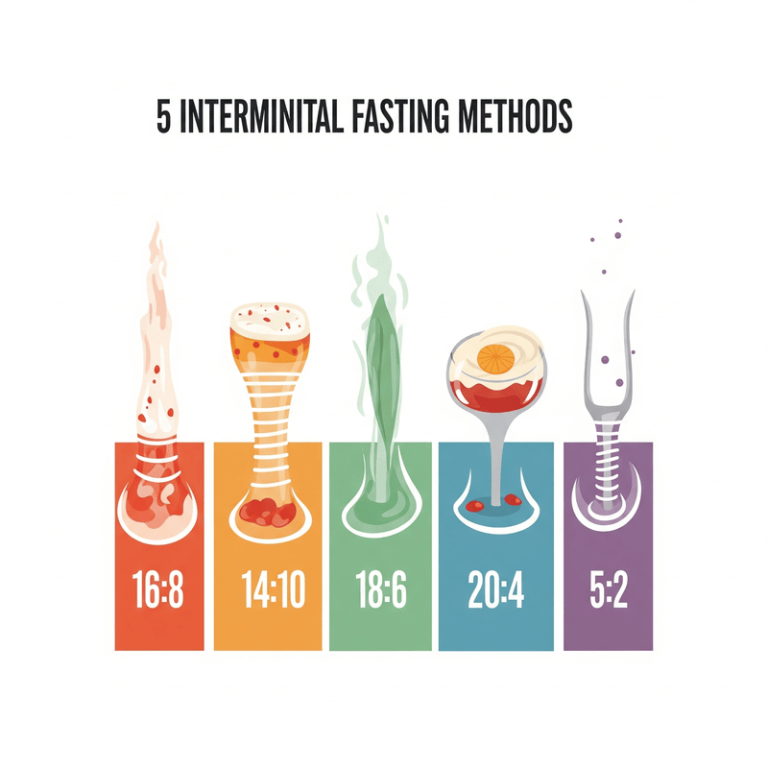
Intermittent fasting for weight loss and metabolic health is not starvation. It simply limits your eating to specific windows while allowing you to eat satisfying meals. It is not a quick fix; healthy food choices are still important. However, it is flexible, and methods like 16:8 or OMAD can match your lifestyle. For further insights, read this article from Harvard Health.
Your First Step
Track when you eat your first and last meal today. This simple step will help you understand your current pattern. It will also prepare you to start your intermittent fasting journey confidently.
Final Thoughts
Intermittent fasting for weight loss and metabolic health is a sustainable, science-backed path to wellness. It helps you align with your body’s rhythms while improving insulin sensitivity and metabolic flexibility. Are you considering intermittent fasting, or have you tried it already? Share your experiences and help others start their journey.
#IntermittentFasting #WeightLoss #MetabolicHealth #FatLoss #HealthyLifestyle #ScienceBacked
KC
Also check out our series going on IF
5 Intermittent Fasting Methods: Find Your Perfect Match https://healthwiz.in/intermittent-fasting-methods-guide/