Hypothyroidism Diet: Myths vs. Facts for Better Thyroid Health
Introduction
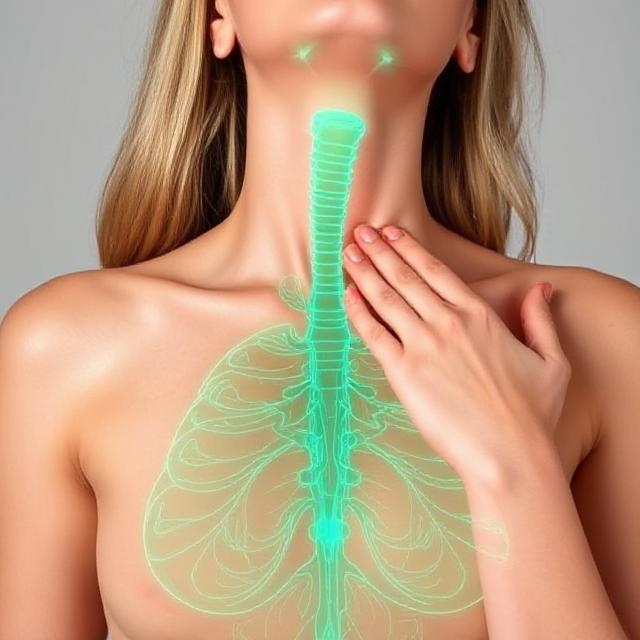
Thyroid hormone disorders are among the most prevalent endocrine diseases in India, affecting approximately 42 million people. In women, thyroid disorders can lead to infertility, menstrual irregularities, osteoporosis, hyperlipidemia, hypercholesterolemia, hyperhomocysteinemia, cardiovascular, and neuropsychiatric diseases. One of the most common thyroid dysfunctions is hypothyroidism, where the thyroid gland does not produce enough thyroid hormones, leading to fatigue, weight gain, and slow metabolism.
While medication is the primary treatment, diet plays a crucial role in managing symptoms. However, numerous myths surround diet and hypothyroidism. This blog explores facts vs. fiction, backed by research and real-life experiences.
Fact: Iodine is Essential but Requires Balance
Real-Life Experience
When Priya, a 35-year-old teacher, was diagnosed with hypothyroidism, she started consuming seaweed and iodine supplements, believing they would enhance her thyroid function. Instead, she experienced palpitations and mood swings. Her doctor explained that excessive iodine can worsen thyroid dysfunction, especially in individuals with autoimmune thyroid conditions.
Research Insights
Iodine is crucial for thyroid hormone production. The Recommended Dietary Allowance (RDA) for iodine is 150 mcg per day for adults. However, excess iodine can lead to thyroid dysfunction, including hypothyroidism and autoimmune thyroiditis (Journal of Clinical Endocrinology & Metabolism).
Recommended Iodine Intake (per day):
- Adults: 150 mcg
- Pregnant women: 220 mcg
- Lactating women: 290 mcg
Dietary Sources:
- Iodized salt
- Dairy products
- Eggs
- Seaweed (in moderation)
Fact: Selenium Supports Thyroid Function
Real-Life Experience
David, a software engineer, struggled with fatigue despite taking levothyroxine. He began eating two Brazil nuts daily and noticed improved energy levels and mental clarity.
Research Insights
Selenium is vital for thyroid hormone metabolism and protects the thyroid from oxidative stress. The RDA for selenium is 55 mcg per day for adults. While selenium deficiency is linked to thyroid dysfunction, excess intake can be toxic (Thyroid Research).
Recommended Daily Intake of Selenium:
- Adults: 55 mcg
- Pregnant women: 60 mcg
- Lactating women: 70 mcg
Dietary Sources:
- Brazil nuts
- Tuna
- Eggs
- Legumes

Fact: Gluten May Trigger Autoimmune Thyroid Conditions
Real-Life Experience
Nina, diagnosed with Hashimoto’s thyroiditis, experienced bloating, fatigue, and brain fog. After going gluten-free for three months, she noticed reduced inflammation and increased energy.
Research Insights
Some studies suggest a link between gluten sensitivity and autoimmune thyroid diseases like Hashimoto’s thyroiditis. Individuals with such conditions may benefit from a gluten-free diet, though more research is needed (Lippincott Journals).
Recommendation:
- Consider a gluten-free trial under medical supervision.
- Alternatives: quinoa, brown rice.
Fact: Foods and Supplements That Interfere with Levothyroxine Absorption
Research Insights
Certain foods and supplements can reduce the absorption of levothyroxine (Endocrine Reviews).
Problematic Foods and Supplements:
- Calcium-rich foods: dairy, calcium tablets (Separate by 4 hours).
- Iron supplements: red meat, spinach (Separate by 4 hours).
- High-fiber foods: whole grains, legumes.
- Coffee (Wait 60 minutes before drinking).
- Soy products (in excess).
- Antacids (aluminum/magnesium-based) (Separate by 4 hours).
Fiction: Goitrogenic Foods Must Be Avoided Completely
Real-Life Experience
Sarah avoided broccoli and cabbage, fearing they would suppress her thyroid function. After consulting a nutritionist, she learned that cooking these vegetables reduces their goitrogenic effect, making moderate consumption safe.
Research Insights
Goitrogens in cruciferous vegetables like broccoli, cabbage, and kale can interfere with thyroid hormone production, but cooking neutralizes their effect (Journal of Clinical Endocrinology & Metabolism).
Fiction: Soy Always Worsens Hypothyroidism
Real-Life Experience
Mira, a vegetarian, was concerned that soy would interfere with her thyroid medication. After consulting her endocrinologist, she learned that moderate soy intake does not negatively impact thyroid function when iodine intake is adequate.
Research Insights
Soy contains isoflavones that can inhibit thyroid hormone synthesis, but moderate soy consumption does not impact thyroid function if iodine intake is sufficient (Thyroid Research).
Conclusion
While diet cannot replace medication for hypothyroidism, it plays a supportive role in symptom management. The right nutritional balance can optimize thyroid function, reduce inflammation, and improve overall well-being. However, many diet myths persist, so it’s essential to rely on scientific research rather than misconceptions.
Have you tried any dietary modifications for hypothyroidism? Let us know your experience! 😊
Author : KC