Personalized Microbiome Nutrition: Your Guide to Better Gut Health
Have you ever followed a diet that worked wonders for your friend but left you feeling bloated and tired? The surprising reason could be your gut microbiome—the unique collection of bacteria in your digestive system that influences how your body responds to food. After years of one-size-fits-all nutritional advice, I’m excited to share what might be the missing piece of the puzzle: personalized microbiome nutrition based on your individual gut health.
Understanding Your Gut Microbiome: Meet Your Microscopic Health Partners
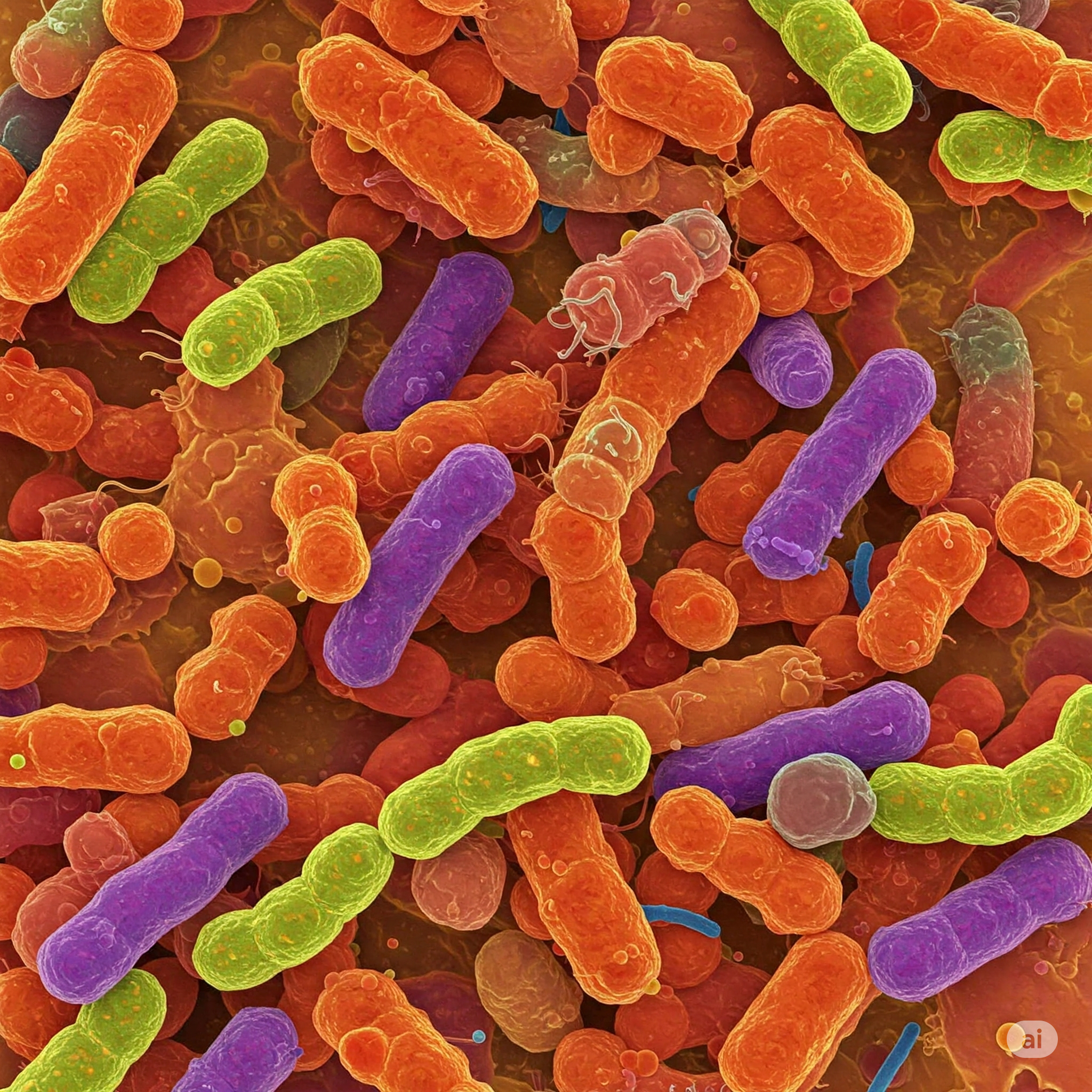
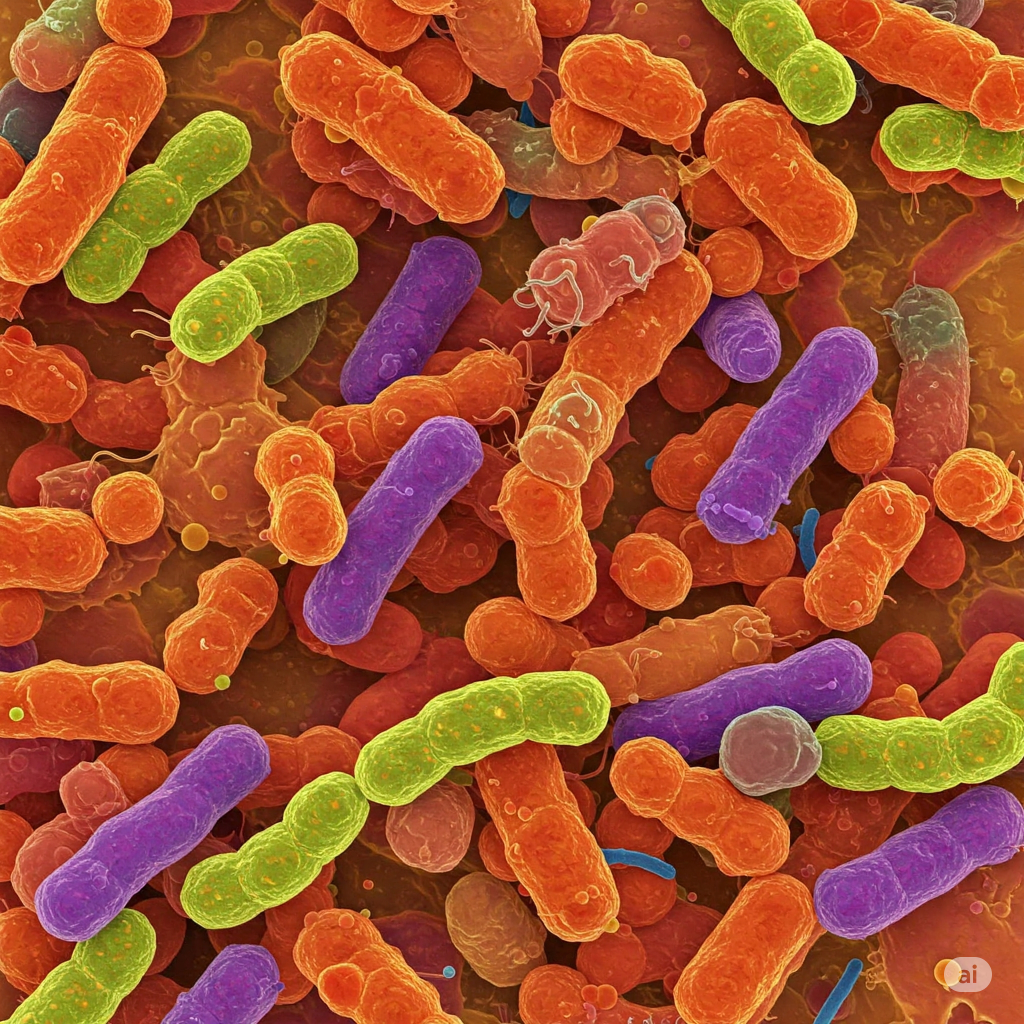
Imagine carrying around a bustling metropolis of tiny helpers—trillions of them—working day and night to influence your health. That’s your gut microbiome, and it’s as unique to you as your fingerprint.
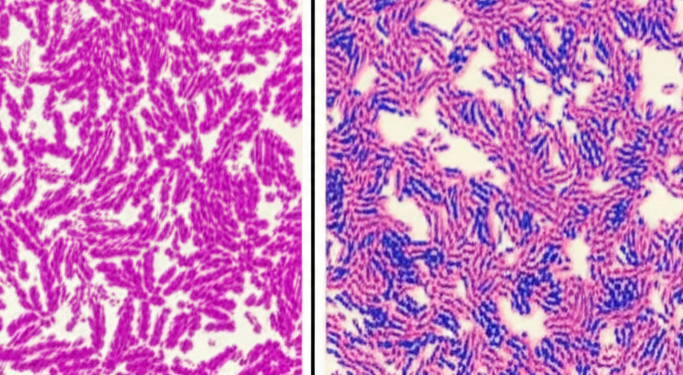
Comparison of two different microscopic gut bacteria compositions or microbiome showing diversity
When I first learned that the bacteria in my gut could impact everything from my sleep quality to my mental clarity, I was skeptical. But the science is clear: these microscopic residents are powerhouses that can either support our health or undermine it, depending on how we feed them.
Dr. Lisa Chen, a gastroenterologist I interviewed recently, put it perfectly: “We used to think of bacteria as invaders. Now we understand they’re more like teammates—and we need to learn how to support our star players.”
The Science Behind Personalized Nutrition and Gut Health
Let’s talk about what makes microbiome-based nutrition so revolutionary. Unlike traditional diets that prescribe the same foods for everyone, this approach recognizes that your gut bacteria profile is uniquely yours.
Research from the American Gut Project has found that even identical twins share only about 34% of the same gut bacteria. This explains why your colleague thrives on keto while you feel energized on a Mediterranean-style diet.
The implications are profound. Your microbiome composition has been linked to:
- How effectively you metabolize certain foods
- Your likelihood of gaining weight from specific carbohydrates
- Your emotional response to stress
- How well you sleep at night
- Even your skin’s appearance and health
My Experience with Microbiome Testing and Personalized Nutrition
When I decided to try microbiome testing last year, I was struggling with afternoon energy crashes despite a seemingly healthy diet. The process was surprisingly simple:
- A discreet test kit arrived at my door
- I collected a small sample (less awkward than I expected!)
- Six days later, I received a detailed report of my gut bacteria composition
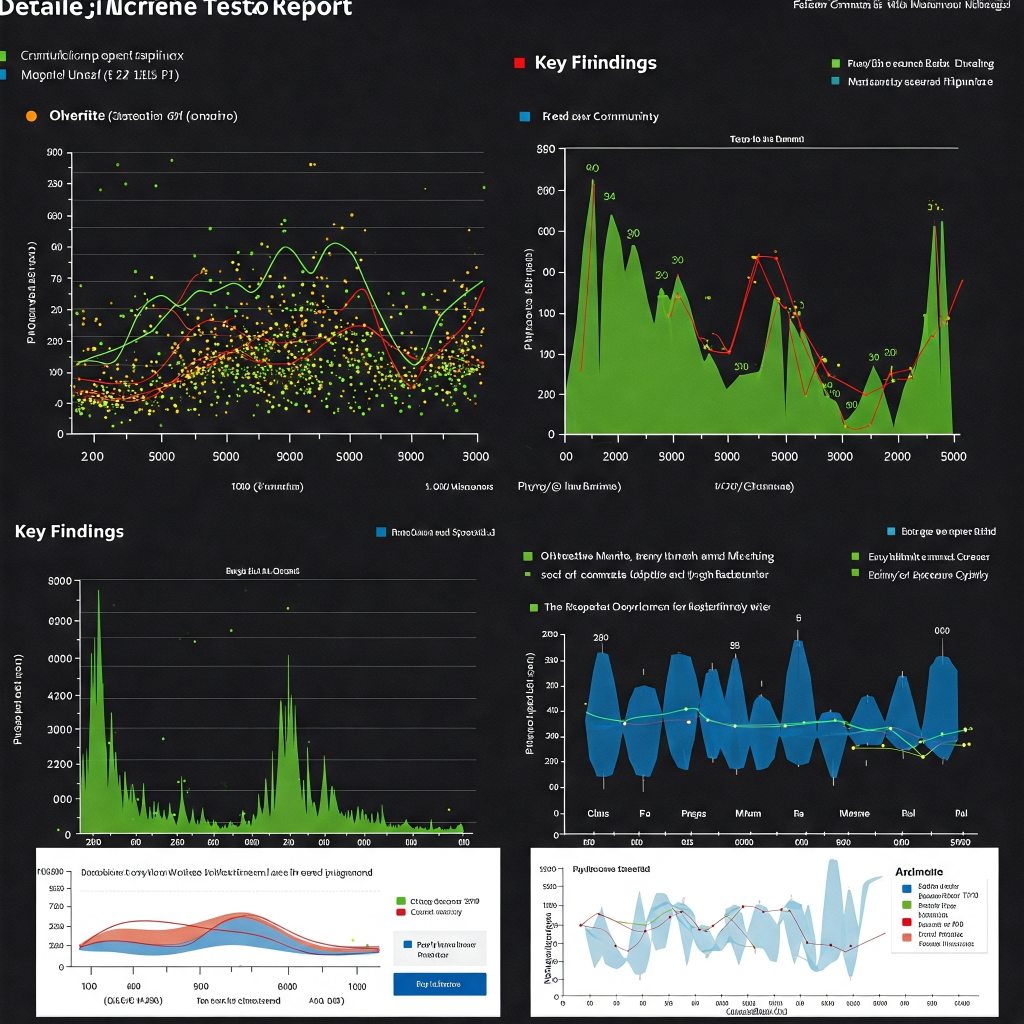
Example of a microbiome test report with colourful graphs and bacterial profiles
The results? Eye-opening. My microbiome showed an abundance of bacteria that struggled to process the exact “health foods” I was eating daily. My body wasn’t getting the nutrients I thought I was providing.
Gut Health Success Stories: Real People, Real Results
Sarah, a 42-year-old marketing executive and mother of two, shared her experience with me:
“After years of random bloating and fatigue, I was ready to try anything. My microbiome test revealed I had virtually none of the bacteria that process certain fibers. Once I adjusted my diet based on these results, the difference was like night and day. I finally understood why ‘eating healthy’ wasn’t working for me—I wasn’t eating right for MY body.”

Or take Michael, a 35-year-old software developer who struggled with digestive issues for a decade:
“The test showed I had low levels of butyrate-producing bacteria—the ones that keep your colon healthy. My personalized nutrition plan increased specific types of fiber that feed these particular bacteria. Within three weeks, problems I’d had for years started to resolve. It wasn’t about eating ‘better’—it was about eating smarter for my specific gut composition.”
How to Start Your Personalized Gut Health Journey
Ready to discover what your microbiome might be telling you? Here’s how to begin your personalized nutrition journey:
Step 1: Consider getting tested. Several reputable companies offer home microbiome testing. Look for those using comprehensive “metagenomic sequencing” rather than simpler “16S sequencing” for more accurate results.
Step 2: Find the right guide. Consider partnering with a healthcare provider or nutritionist who specializes in microbiome health. They can help interpret your results and create a truly personalized plan.

A healthcare provider reviewing results with a patient
Step 3: Start small and track your progress. Keep a simple journal noting how you feel as you implement changes. Your body’s feedback is invaluable data!
Step 4: Embrace the journey. Remember that your microbiome can change—that’s the beauty of it! Retesting every 6-12 months can help you see your progress and refine your approach.
The Future of Personalized Nutrition Based on Your Gut Microbiome
I believe we’re standing at the threshold of a nutrition revolution. The days of wondering “why doesn’t this diet work for me?” are giving way to a new understanding based on your biological uniqueness.
As Dr. Chen reminded me, “We’re just beginning to understand the power of personalized nutrition. In ten years, we’ll look back at generic diet advice the way we now view bloodletting in medicine—well-intentioned but missing the crucial element of individuality.”
Your microbiome holds secrets to your optimal health, and science is finally giving us the keys to unlock them. Isn’t it time your diet was as unique as you are?
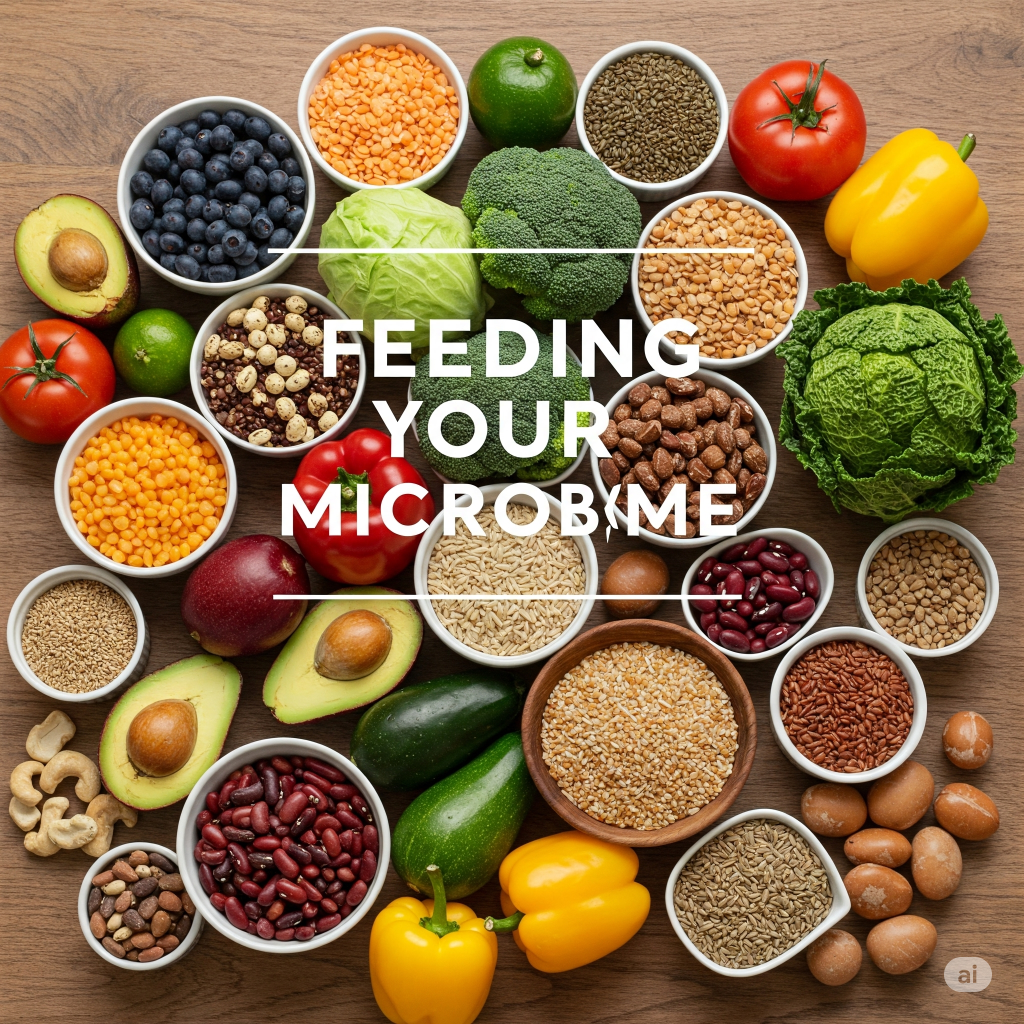
Feeding Your Unique Microbiome
Have you tried microbiome testing or personalized nutrition approaches? I’d love to hear about your experience in the comments below!
About the author:
The Pharmacist, KC is a health enthusiast and researcher passionate about making cutting-edge nutritional science accessible to everyone. When not exploring the latest in health innovations, You can find me doing gardening/walking, cooking.